CÓDIGO CHILELEE18 con 18% EXTRA (Por pocas horas y hasta agotar stock de usos)  Ver más

Enviar a
Santiago, Región Metropolitana
0
  • argentina
  • chile
  • colombia
  • españa
  • méxico
  • perú
  • estados unidos
  • internacional

Selecciona tu país

América

Europa

Resto del mundo

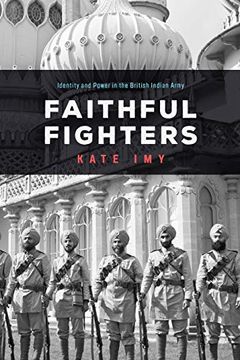
portada Faithful Fighters: Identity and Power in the British Indian Army (South Asia in Motion) (en Inglés)
Formato
Libro Físico
Autor
Año
2019
Idioma
Inglés
N° páginas
328
Encuadernación
Tapa Blanda
ISBN13
9781503610743
N° edición
1

Faithful Fighters: Identity and Power in the British Indian Army (South Asia in Motion) (en Inglés)

Kate Imy (Autor) · Stanford University Press · Tapa Blanda

Faithful Fighters: Identity and Power in the British Indian Army (South Asia in Motion) (en Inglés) - Kate Imy

Libro Nuevo Importado
Envío: 13 a 18 días háb.
$ 68.440$ 41.060
-40%
Costos de importación incluídos en el precio ✅
Libro Nuevo

Quedan 47 unidades

$ 41.060
Llega entre el 06 Oct y el 14 Oct a Santiago, Región Metropolitana. Seleccionar ubicación

Reseña del libro "Faithful Fighters: Identity and Power in the British Indian Army (South Asia in Motion) (en Inglés)"

During the first four decades of the twentieth century, the British Indian Army possessed an illusion of racial and religious inclusivity. The army recruited diverse soldiers, known as the "Martial Races," including British Christians, Hindustani Muslims, Punjabi Sikhs, Hindu Rajputs, Pathans from northwestern India, and "Gurkhas" from Nepal. As anti-colonial activism intensified, military officials incorporated some soldiers' religious traditions into the army to keep them disciplined and loyal. They facilitated acts such as the fast of Ramadan for Muslim soldiers and allowed religious swords among Sikhs to recruit men from communities where anti-colonial sentiment grew stronger. Consequently, Indian nationalists and anti-colonial activists charged the army with fomenting racial and religious divisions. In Faithful Fighters, Kate Imy explores how military culture created unintended dialogues between soldiers and civilians, including Hindu nationalists, Sikh revivalists, and pan-Islamic activists. By the 1920s and '30s, the army constructed military schools and academies to isolate soldiers from anti-colonial activism. While this carefully managed military segregation crumbled under the pressure of the Second World War, Imy argues that the army militarized racial and religious difference, creating lasting legacies for the violent partition and independence of India, and the endemic warfare and violence of the post-colonial world.

Opiniones del libro

Preguntas frecuentes sobre el libro

Todos los libros de nuestro catálogo son Originales.
El libro está escrito en Inglés.
La encuadernación de esta edición es Tapa Blanda.

Preguntas y respuestas sobre el libro

¿Tienes una pregunta sobre el libro? Inicia sesión para poder agregar tu propia pregunta.

Opiniones sobre Buscalibre

Ver más opiniones de clientes