🚀 ¡Por POCOS DÍAS! ¡NOVEDADES TOP con ENVÍO A LUKA!  Ver más

Enviar a
Santiago, Región Metropolitana
0
  • argentina
  • chile
  • colombia
  • españa
  • méxico
  • perú
  • estados unidos
  • internacional

Selecciona tu país

América

Europa

Resto del mundo

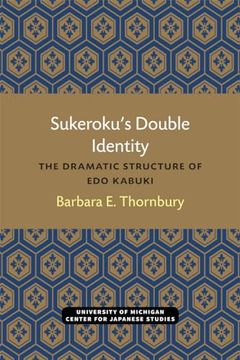
portada Sukeroku’S Double Identity: The Dramatic Structure of edo Kabuki (Michigan Papers in Japanese Studies) (Volume 6) (en Inglés)
Formato
Libro Físico
Idioma
Inglés
N° páginas
112
Encuadernación
Tapa Blanda
ISBN13
9780939512119

Sukeroku’S Double Identity: The Dramatic Structure of edo Kabuki (Michigan Papers in Japanese Studies) (Volume 6) (en Inglés)

Thornbury Barbara (Autor) · U Of M Center For Japanese Studies · Tapa Blanda

Sukeroku’S Double Identity: The Dramatic Structure of edo Kabuki (Michigan Papers in Japanese Studies) (Volume 6) (en Inglés) - Thornbury Barbara

Libro Nuevo Importado
Envío: 19 a 24 días háb.
$ 44.800$ 26.880
-40%
Costos de importación incluídos en el precio ✅
Libro Nuevo

Quedan 50 unidades

$ 26.880
Llega entre el 13 Ago y el 20 Ago a Santiago, Región Metropolitana. Seleccionar ubicación

Reseña del libro "Sukeroku’S Double Identity: The Dramatic Structure of edo Kabuki (Michigan Papers in Japanese Studies) (Volume 6) (en Inglés)"

The aim of this book is to show that seemingly illogical double identity of the townsman, Sukeroku, and the samurai, Soga Goro, in the play Sukeroku is a surviving element of what was once a complex and coherent structure based on a traditional performance calendar. To show how the calendar function and what Sukeroku's double identity signifies, the book is divided into two parts. Part One studies the structure of Edo kabuki. The first chapter, which outlines that structure, is based for the most part on writings of the Tokugawa period. The second chapter then looks at the concepts of sekai, "tradition," and shuko, "innovation." Kabuki was the product of material that had become a familiar part of Japanese culture by repeated use and dramatization over long periods of time, starting before kabuki began, and material that was relatively new and was used to transform the older, set material. The double identity in Sukeroku came about as a result of this interplay between what was received by way of traditional and what was added by way of innovation. Part Two considers the significance of the double identity. The author concludes that Sukeroku's double identity gave Edo audiences a hero who was an idealization of the contemporary Tokugawa townsman and at the same time a transformation of a samurai god-hero of the past. The first chapter of Part Two traces the development of Sukeroku's Soga Goro/samurai identity, from its origins in the early dramatic forms of no, kowaka, and ko-joruri, to the representation of Soga Goro in kabuki by Ichikawa Danjuro I. The seconds then looks at the transformation of Soga Gorointo Sukeroku by discussing the origins of Sukeroku and its introductions to Edo kabuki by Ichikawa Danjuro I and his son, Danjuro II, since their work was the basis of all later developments.

Opiniones del libro

Preguntas frecuentes sobre el libro

Todos los libros de nuestro catálogo son Originales.
El libro está escrito en Inglés.
La encuadernación de esta edición es Tapa Blanda.

Preguntas y respuestas sobre el libro

¿Tienes una pregunta sobre el libro? Inicia sesión para poder agregar tu propia pregunta.

Opiniones sobre Buscalibre

Ver más opiniones de clientes